Community Prevention in Action: Itasca County
Learn how Itasca County reached residents directly through Deterra’s Household Mailing Program.
What Is a Drug Deactivation System and How Does It Differ from Standard Disposal Methods
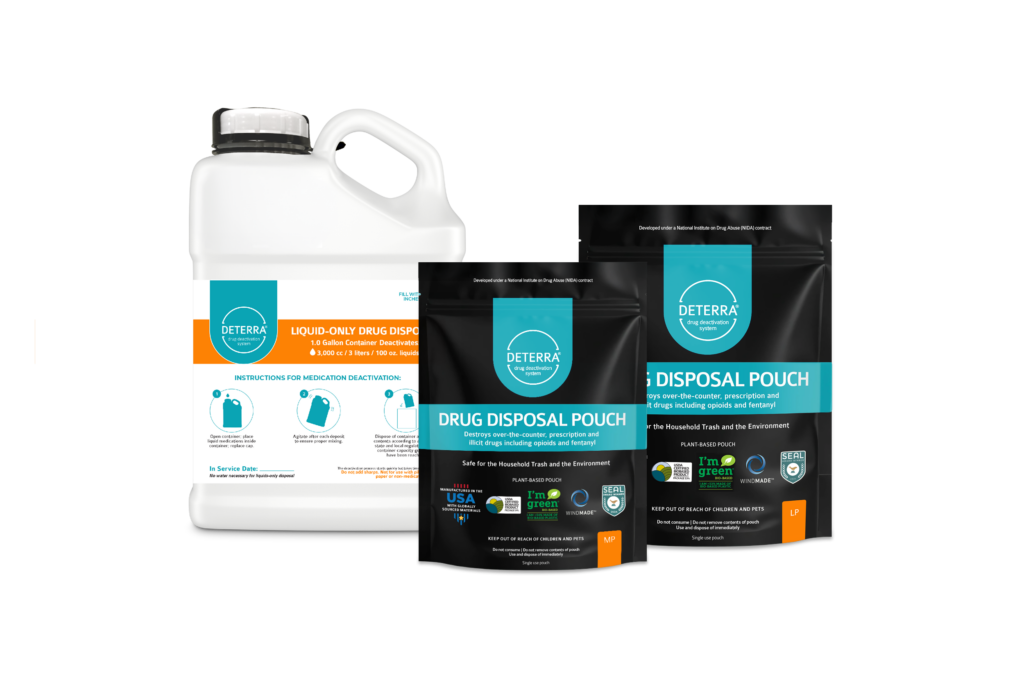
What Is a Drug Deactivation System and How Does It Differ from Standard Disposal Methods A drug deactivation system is a product or technology that chemically neutralizes medications, rendering them permanently inert and non-retrievable rather than simply moving them to another location. Unlike approaches that depend on transporting or obscuring unused medication, point-of-use deactivation is […]
Opioid Stewardship’s Missing Link: Safe Medication Disposal

Opioid Stewardship Beyond Prescribing: Why Disposal Is the Missing Link Your Program Is Missing Most opioid stewardship programs stop at the prescription pad. That gap, between what gets dispensed and what actually gets destroyed, is where diversion happens, where children get poisoned, and where rivers accumulate pharmaceutical contamination. Closing that gap requires treating medication disposal […]
How At-Home Medication Disposal Can Support Patients in Recovery Beyond Discharge

For healthcare providers, recovery doesn’t always end when a patient leaves the facility. The transition from structured care back into the home can be one of the most important moments in a patient’s recovery journey. It’s also a moment when small, practical interventions can make a meaningful difference. One area that’s often part of that […]
How State and Local Governments Can Turn Opioid Settlement Dollars Into Real Prevention

The overdose crisis in America is far from over. While drug overdose deaths have declined for three consecutive years — falling to roughly 70,000 in 2025, the uncomfortable truth is the majority of misused prescription drugs don’t come from a dealer on a street corner. They come from a medicine cabinet. A nightstand. A kitchen […]
Reducing Environmental Risk Through Safer Medication Disposal
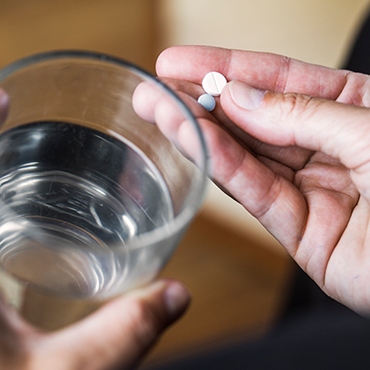
Healthcare organizations are increasingly focused on sustainability, environmental responsibility, and reducing the downstream impact of pharmaceutical waste. From hospitals and clinics to long-term care facilities and community health programs, medication disposal is no longer viewed only as an operational or compliance issue. It is also an environmental priority. Unused and expired medications can create risk […]
Suffield Becomes First Connecticut Town to Send Drug Disposal Kits to Every Home

In partnership with the Governor’s Prevention Partnership, the program will mail a Deterra drug deactivation pouch to every household in Suffield. The town used opioid settlement funds to purchase the pouches, which allow residents to safely deactivate and dispose of unused or expired medications at home, helping prevent misuse and accidental exposure.
The True Cost of Medication Diversion: How Point-of-Use Drug Deactivation Supports Safer Disposal
The healthcare industry faces a critical challenge that extends far beyond the pharmacy counter or the patient’s bedside: the ongoing risk of medication diversion. When unused, unwanted, or expired prescriptions remain accessible in homes, clinical settings, or care facilities, they can create opportunities for accidental ingestion, unauthorized access, or misuse. The consequences of medication diversion […]
Propofol Wasting in Clinical Settings: Reducing Risk and Improving Compliance

Propofol wasting is a routine but high-volume challenge across hospitals, surgical centers, and procedural environments. Used widely for sedation and anesthesia, propofol is frequently drawn in quantities that exceed what is ultimately administered. The remaining medication must be safely managed, documented, and disposed of in accordance with facility protocols and regulatory expectations. While the process […]
Chemical Solvents vs. Carbon Deactivation: What Facilities Should Know Before Choosing a Disposal System
Healthcare facilities, pharmacies, and treatment centers face a relentless and critical challenge: safely managing leftover, expired, and unused medications. When evaluating safe medication disposal solutions to handle this ongoing task, compliance officers and facility operators inevitably encounter a vital comparison: chemical solvents vs. carbon deactivation. The choice between these two proper drug disposal methods dictates […]