The healthcare industry faces a critical challenge that extends far beyond the pharmacy counter or the patient’s bedside: the ongoing risk of medication diversion. When unused, unwanted, or expired prescriptions remain accessible in homes, clinical settings, or care facilities, they can create opportunities for accidental ingestion, unauthorized access, or misuse.
The consequences of medication diversion can be significant for patients, communities, and healthcare organizations. Many facilities and communities already rely on important disposal resources, including take-back programs, kiosks, and lockboxes, to help manage unused medications responsibly. Point-of-use drug deactivation adds another practical layer to these efforts by giving staff, patients, and caregivers a convenient way to address medications when they are no longer needed.
To strengthen medication safety and support responsible disposal practices, healthcare leaders can benefit from a broader approach that combines existing disposal infrastructure with simple, immediate tools for at-home and point-of-care deactivation.
The Growing Threat of Medication Diversion in Healthcare
Medication diversion occurs when prescription medicines are obtained, used, or routed away from their intended medical use. This issue can affect hospitals, long-term care facilities, pharmacies, and patients’ homes.
When unused medications remain accessible, they can increase the risk of accidental ingestion, unauthorized access, or substance misuse, particularly in households or care settings where children, teenagers, or people with substance use disorder (SUD) or opioid use disorder (OUD) may be present. For healthcare organizations, prevention starts with reducing the window of access and making safe disposal easier for staff, patients, and caregivers.
For healthcare providers and facility operators, the organizational costs can also be significant. Gaps in medication security, disposal workflows, or staff education may contribute to:
Regulatory Penalties: Potential fines or corrective action when disposal practices do not align with applicable requirements.
Reputational Damage: Loss of community trust following failed audits, diversion incidents, or safety concerns.
Staff Vulnerability: Increased risk and stress for nurses, pharmacy staff, and care teams managing complex disposal protocols.
Strengthening Existing Proper Drug Disposal Methods
For years, healthcare organizations and communities have relied on take-back programs, kiosks, lockboxes, and other structured disposal resources to help manage unused medications responsibly. These options remain important parts of broader medication safety efforts, especially when they give patients, caregivers, and facilities clear ways to remove medications from circulation.
Point-of-use drug deactivation can strengthen these efforts by addressing the moments between storage, collection, and final disposal. When a medication is no longer needed, staff, patients, or caregivers may need a simple option they can use immediately, without waiting for a collection event or making an additional trip.
Take-Back Programs and Kiosks: Important Disposal Pathways
Take-back programs and kiosks provide responsible disposal options for many communities and healthcare settings. They help create accessible pathways for people who want to remove unused medications from the home or facility.
At the same time, patients and caregivers may not always be able to access a kiosk or collection event at the exact moment a medication becomes unnecessary. Adding point-of-use drug deactivation gives them another convenient option, helping reduce the time unused medications remain accessible.
Lockboxes: Temporary Security with Added Disposal Support
Lockboxes can help secure medications while they are still needed or awaiting disposal. They can reduce immediate access and support safer storage practices in homes, clinical settings, or care environments.
When medications are ready to be discarded, drug deactivation adds a practical next step. Rather than relying solely on storage until a later disposal opportunity, patients, caregivers, and staff can neutralize medications at the point of use, thereby supporting a more complete disposal process.
Drug Deactivation: A Proactive, Point-of-Use Solution
To help reduce the risk of drug diversion, organizations can add point-of-use disposal tools to their existing medication safety strategies. These solutions give staff, patients, and caregivers a convenient way to address unused medications when they are no longer needed.
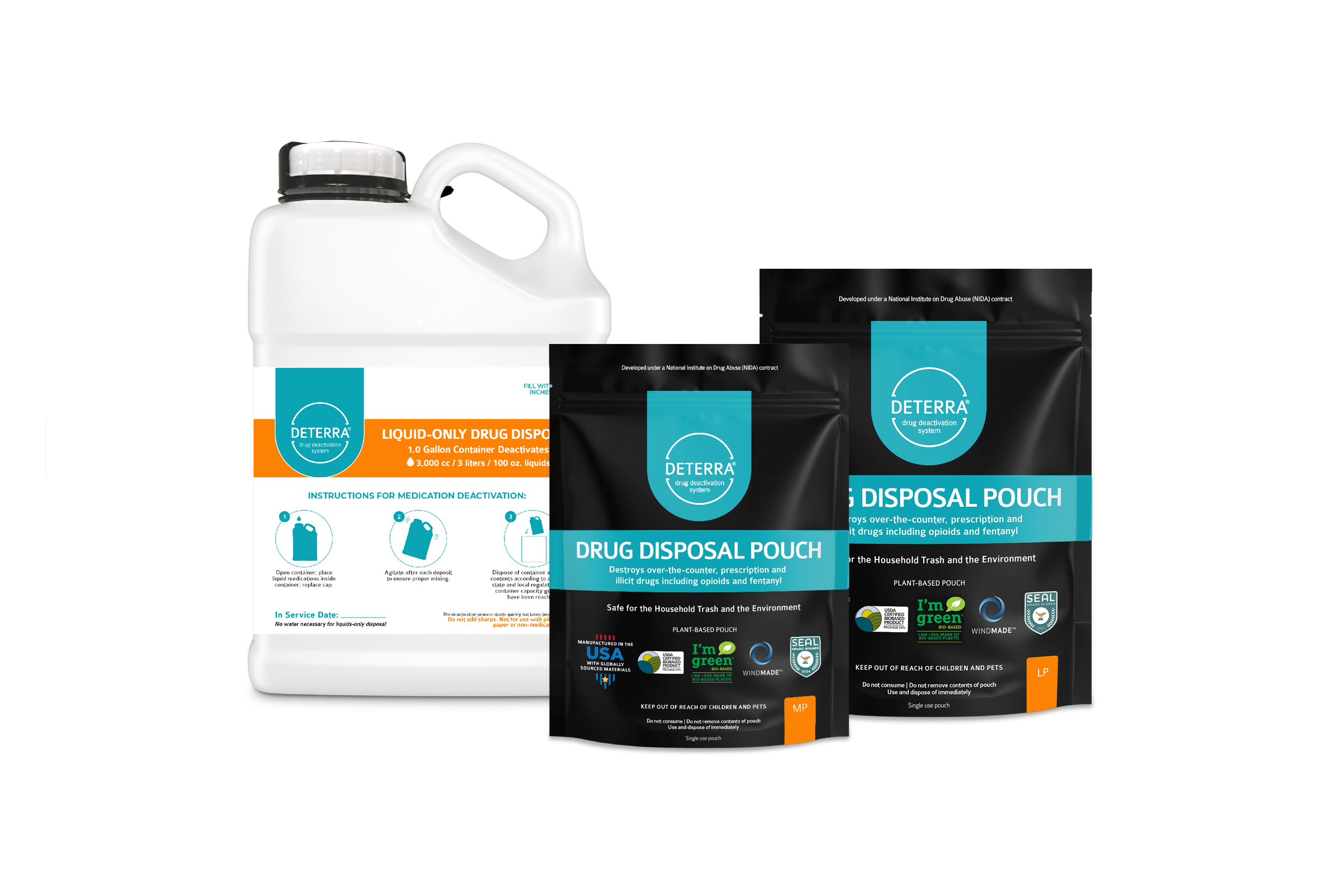
Deterra offers a proactive, immediate solution through our tested drug deactivation pouches. Utilizing an organic, proprietary activated carbon, the Deterra System permanently deactivates pills, patches, liquids, creams, and films. Once the medication is placed in the pouch with warm water and shaken, the carbon chemically binds to the active ingredients, rendering them unavailable for misuse.
This process supports safer disposal at the point of use while helping reduce the time unused medications remain accessible. Gone for good. For the good of all.
Operational Simplicity and Workflow Integration
Healthcare providers, pharmacists, and compliance officers are already managing demanding workflows, documentation requirements, and staffing pressures. Disposal protocols that involve multiple handling steps, delayed action, or off-site coordination can add complexity for busy care teams.
Drug deactivation offers practical operational simplicity as part of a broader disposal strategy. When appropriate, staff can deactivate leftover medications at the point of use, such as in the patient’s room or at the pharmacy counter, helping reduce unnecessary handling and limiting the time unused medications remain accessible.
For discharged patients, providing at-home drug deactivation and disposal tools extends a facility’s medication safety efforts beyond the clinical setting. It gives patients and caregivers a convenient way to address unused medications at home while still supporting existing take-back programs, kiosks, and other responsible disposal pathways.
Aligning with Drug Disposal Compliance and Audit Readiness
Navigating federal, state, and local disposal expectations can be complex for healthcare organizations. As regulatory and internal compliance standards continue to evolve, facilities benefit from clear, consistent processes for helping staff, patients, and caregivers manage unused medications responsibly.