Deterra Vision Session
Proper medication disposal is a simple yet powerful tool in the fight against the opioid crisis. By educating the public
Becker’s Healthcare Webinar
Industry leaders discuss how at‑home drug deactivation systems can enhance patient outcomes while reducing healthcare costs
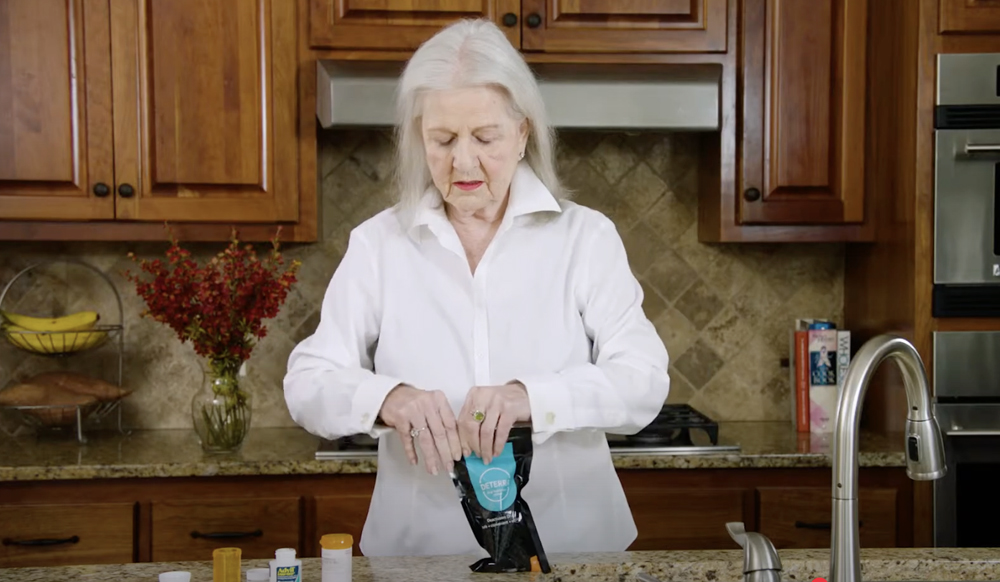
Instrucciones en Español: Cómo Desechar Parches con Deterra
Utilice el Sistema Deterra para desactivar rápida y fácilmente y desechar los parches medicinales, incluidos los parches transdérmicos de fentanilo.
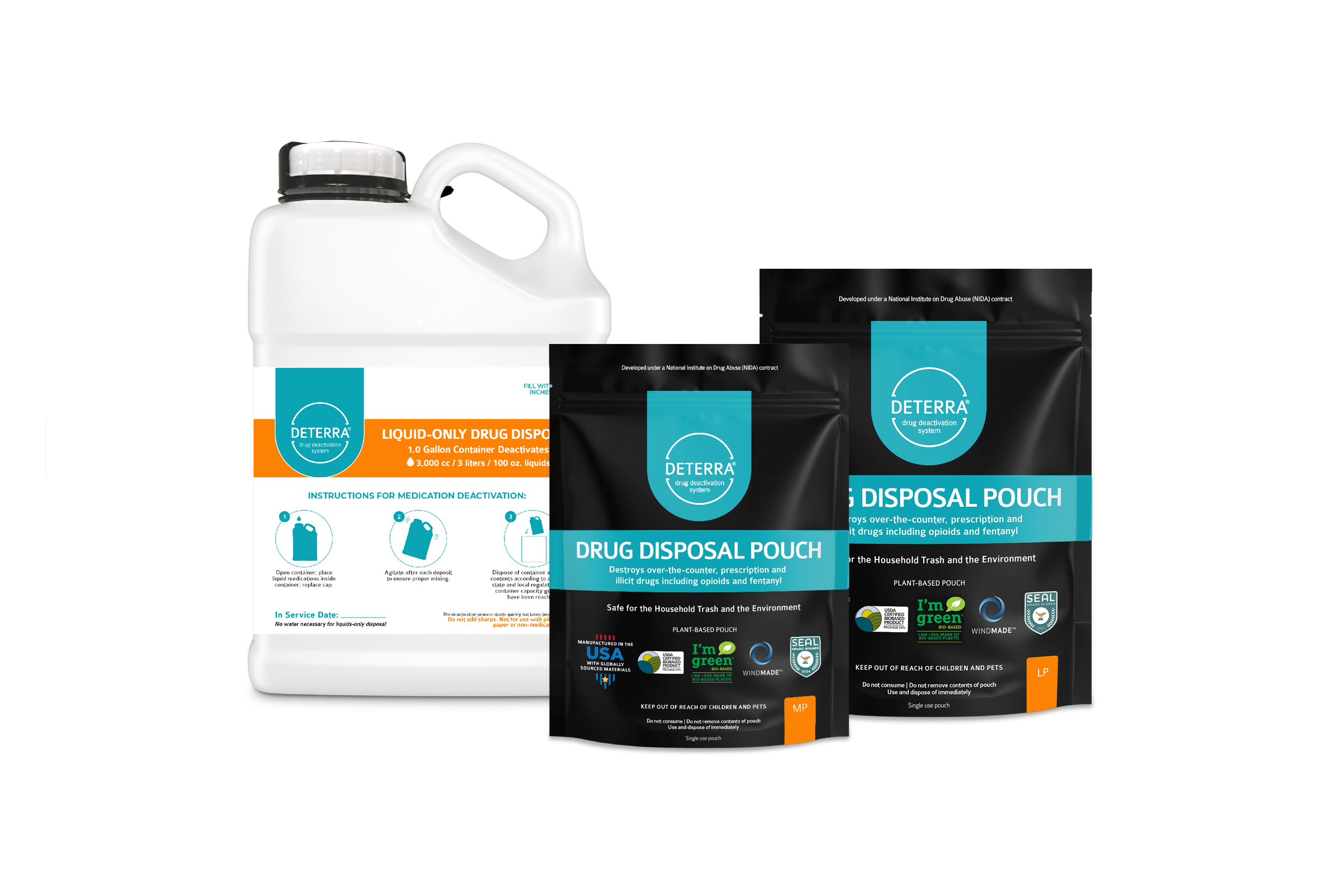
What Is a Drug Deactivation System and How Does It Differ from Standard Disposal Methods
What Is a Drug Deactivation System and How Does It Differ from Standard Disposal Methods A drug deactivation system is
Opioid Stewardship’s Missing Link: Safe Medication Disposal
Opioid Stewardship Beyond Prescribing: Why Disposal Is the Missing Link Your Program Is Missing Most opioid stewardship programs stop at
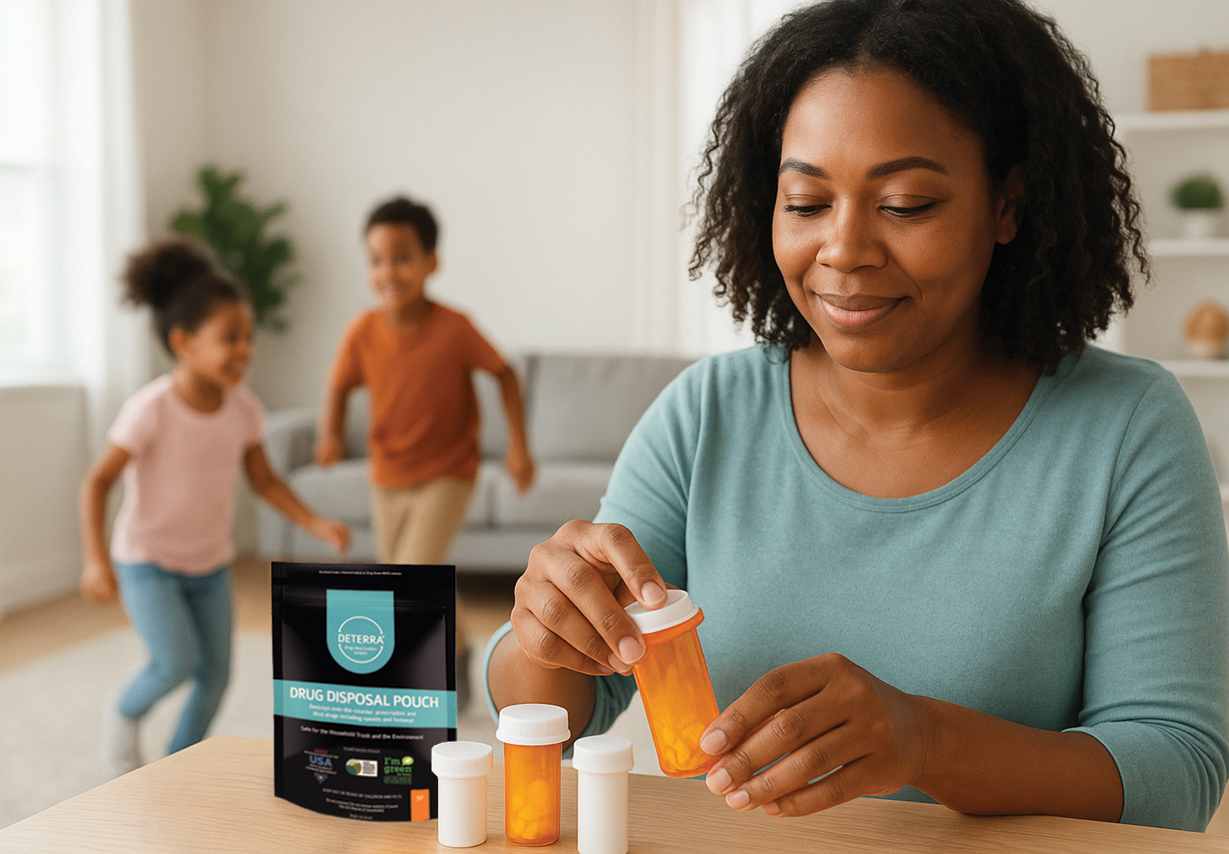
How At-Home Medication Disposal Can Support Patients in Recovery Beyond Discharge
For healthcare providers, recovery doesn’t always end when a patient leaves the facility. The transition from structured care back into

How State and Local Governments Can Turn Opioid Settlement Dollars Into Real Prevention
The overdose crisis in America is far from over. While drug overdose deaths have declined for three consecutive years —
Reducing Environmental Risk Through Safer Medication Disposal
Healthcare organizations are increasingly focused on sustainability, environmental responsibility, and reducing the downstream impact of pharmaceutical waste. From hospitals and

Suffield Becomes First Connecticut Town to Send Drug Disposal Kits to Every Home
In partnership with the Governor’s Prevention Partnership, the program will mail a Deterra drug deactivation pouch to every household in