
Propofol wasting is a routine but high-volume challenge across hospitals, surgical centers, and procedural environments. Used widely for sedation and anesthesia, propofol is frequently drawn in quantities that exceed what is ultimately administered. The remaining medication must be safely managed, documented, and disposed of in accordance with facility protocols and regulatory expectations.
While the process is common, it introduces operational friction, documentation burden, and potential risk at scale. For clinical teams already balancing patient care demands, inefficient disposal workflows can slow processes, increase administrative overhead, and create unnecessary complexity.
Addressing propofol wasting requires a practical approach that supports compliance, maintains efficiency, and aligns with broader medication safety practices.
Why Propofol Wasting Is a Persistent Challenge
Propofol is typically supplied in multi-dose or single-use vials that are not always fully utilized during procedures. Because of its formulation and clinical use, leftover volumes are expected rather than exceptional.
In fast-paced environments such as operating rooms and procedural suites, staff must:
- Track and document partial usage
- Follow internal wasting protocols
- Ensure proper handling and disposal
These steps often require coordination between clinicians and witnesses, particularly when controlled substances are involved in the broader workflow. Even when propofol itself is not scheduled, it is often managed alongside other medications within tightly controlled processes.
Over time, the cumulative effect of these requirements can create inefficiencies that impact both staff time and operational consistency.
Balancing Compliance and Workflow Efficiency
Healthcare facilities operate under strict expectations for medication handling and disposal. While regulatory frameworks primarily focus on controlled substances and hazardous waste, internal policies often extend rigorous oversight across a wider range of medications to maintain consistency and audit readiness.
For propofol wasting, this means facilities must balance:
- Accurate documentation of partial use
- Secure handling until disposal
- Clear, repeatable workflows for clinical staff
Processes that rely on multiple handoffs or centralized disposal points can introduce additional steps into already time-sensitive environments. Each additional step requires coordination, attention, and adherence to protocol, which can increase the potential for delays or inconsistencies.
Facilities are increasingly evaluating ways to streamline these workflows while maintaining alignment with internal policies and regulatory expectations.
The Role of Point-of-Use Deactivation
One approach to managing propofol wasting more efficiently is point-of-use drug deactivation. Rather than requiring staff to transport unused medication to a separate location or follow multi-step disposal procedures, deactivation can occur immediately at the point of care.
This approach offers several operational advantages:
- Reduces handling steps
Medication can be managed at the bedside, medication cart, or procedural area without additional transport - Supports consistent workflows
A simple, repeatable process can be integrated into existing clinical routines - Improves documentation alignment
Disposal actions can occur in parallel with documentation, reducing gaps or delays
By addressing disposal at the same point where medication is administered, facilities can simplify a process that is otherwise repetitive and time-consuming.
Complementing Existing Disposal Programs
Point-of-use deactivation is not a replacement for established collection or disposal programs. Many healthcare systems rely on centralized collection, pharmaceutical waste services, and downstream destruction processes as part of their broader compliance strategy.
Instead, point-of-use solutions can complement these systems by addressing immediate, small-volume wasting at the clinical level.
For medications like propofol, where partial doses are common and disposal is frequent, this approach can help:
- Reduce reliance on centralized handling for routine waste
- Support staff efficiency in high-volume environments
- Maintain alignment with overall disposal and compliance programs
By integrating both approaches, facilities can create a more comprehensive and flexible medication disposal strategy.
Environmental Considerations in High-Volume Wasting
Environmental responsibility is an increasing priority for healthcare organizations. Improper disposal methods, such as flushing medications, are no longer considered viable due to their impact on water systems and ecosystems.
For high-volume wasting scenarios like propofol, consistent and compliant disposal practices are essential. Solutions that safely neutralize medications prior to disposal can help reduce environmental impact while aligning with regulatory guidance.
Facilities must ensure that any disposal method is used in accordance with local, state, and federal regulations, as well as internal policies governing pharmaceutical waste.
Creating a More Practical Approach to Propofol Wasting
Propofol wasting is unlikely to decrease. Its clinical use is widespread, and partial utilization is inherent to how it is administered. The focus, therefore, is not on eliminating waste, but on managing it more effectively.
A practical approach should:
- Minimize disruption to clinical workflows
- Support consistent documentation and compliance practices
- Integrate with existing disposal and waste management systems
By addressing these factors, healthcare facilities can reduce operational friction while maintaining high standards of safety and accountability.
Moving Toward More Efficient Medication Disposal Workflows
Managing propofol wasting is part of a larger challenge facing healthcare systems: how to handle medications safely, efficiently, and consistently at scale.
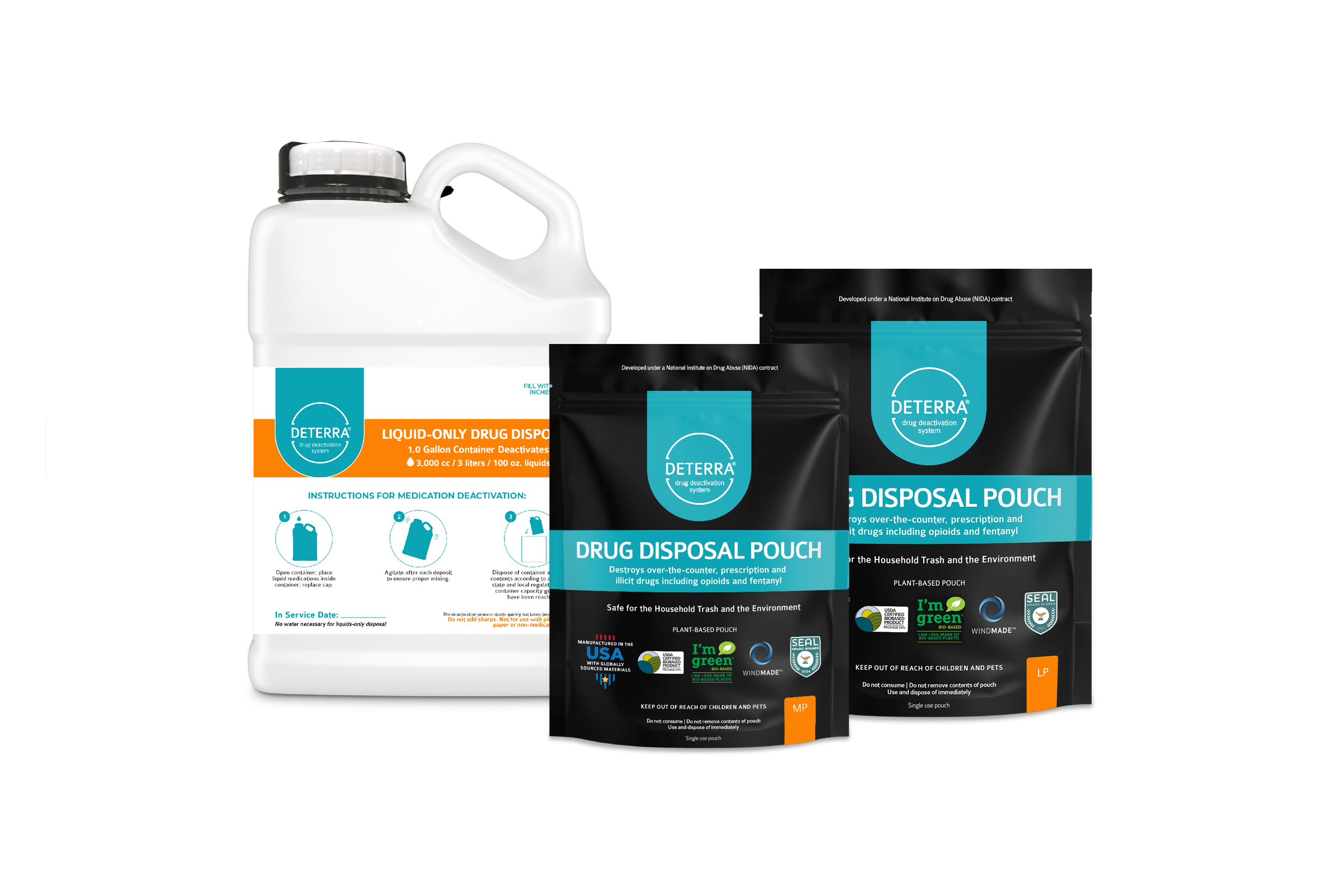
Point-of-use deactivation offers a practical way to streamline routine disposal without disrupting established programs. When combined with existing collection and waste management strategies, it supports a more balanced and effective approach to medication safety.
To learn more about how point-of-use drug deactivation can support clinical workflows and complement existing disposal programs, explore Deterra’s healthcare solutions or request a sample to see how the process works in practice.