The True Cost of Medication Diversion: How Point-of-Use Drug Deactivation Supports Safer Disposal
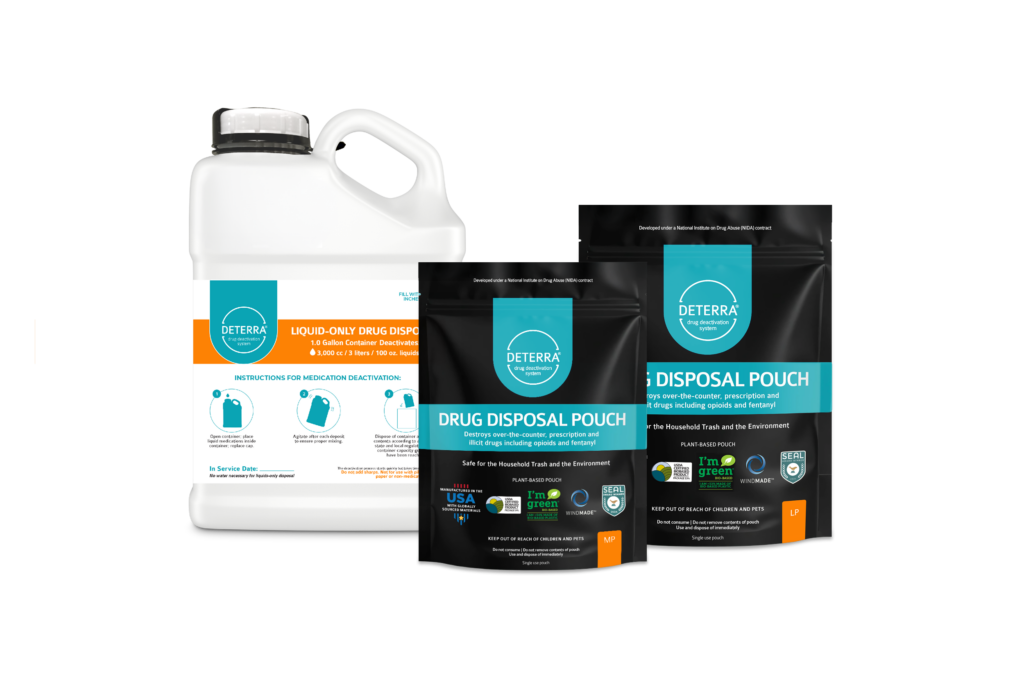
The healthcare industry faces a critical challenge that extends far beyond the pharmacy counter or the patient’s bedside: the ongoing risk of medication diversion. When unused, unwanted, or expired prescriptions remain accessible in homes, clinical settings, or care facilities, they can create opportunities for accidental ingestion, unauthorized access, or misuse. The consequences of medication diversion […]
Propofol Wasting in Clinical Settings: Reducing Risk and Improving Compliance

Propofol wasting is a routine but high-volume challenge across hospitals, surgical centers, and procedural environments. Used widely for sedation and anesthesia, propofol is frequently drawn in quantities that exceed what is ultimately administered. The remaining medication must be safely managed, documented, and disposed of in accordance with facility protocols and regulatory expectations. While the process […]
Chemical Solvents vs. Carbon Deactivation: What Facilities Should Know Before Choosing a Disposal System
Healthcare facilities, pharmacies, and treatment centers face a relentless and critical challenge: safely managing leftover, expired, and unused medications. When evaluating safe medication disposal solutions to handle this ongoing task, compliance officers and facility operators inevitably encounter a vital comparison: chemical solvents vs. carbon deactivation. The choice between these two proper drug disposal methods dictates […]