
Streamlining Drug Deactivation for Long-Term Care and Hospice Compliance
Long-term care (LTC) and hospice facilities manage a complex array of powerful medications, including highly controlled substances used for pain management and palliative care. When a patient’s treatment changes or they pass away, facilities are suddenly left with a surplus of highly potent, unused pharmaceuticals. Managing this surplus effectively is critical. Integrating proper drug deactivation for long-term care and hospice compliance is essential to prevent drug diversion, protect staff, and maintain rigorous regulatory standards.
Without a standardized, point-of-use process, leftover medications linger in medication carts or storage rooms, creating significant vulnerabilities. For facility operators, compliance officers, and healthcare providers, modernizing medication disposal is no longer just a best practice—it is a fundamental operational necessity to safeguard communities against substance misuse.
The Hidden Vulnerabilities in Medication Management
Long-term care facilities and hospices are unique healthcare environments. Because they handle significant quantities of controlled substances, often in high-stress, emotionally charged settings, they face a heightened risk of drug diversion. Diversion can occur at multiple touchpoints, involving staff, visitors, or even family members navigating the complexities of a loved one’s care.
When unused medications are stockpiled waiting for a scheduled pickup, or improperly managed during shift changes, the opportunity for diversion increases. This not only puts individuals at risk of developing a substance use disorder (SUD) or opioid use disorder (OUD), but it also exposes the facility to severe regulatory and legal liabilities.
Failing to secure and neutralize these medications immediately at the point of care compromises patient safety and opens the door to failed audits, steep fines, and reputational damage.
Navigating Regulatory Complexity: DEA, EPA, and Beyond
Achieving drug disposal compliance requires navigating a labyrinth of federal, state, and local regulations. The Drug Enforcement Administration (DEA) strictly regulates the handling, transfer, and destruction of controlled substances, mandating that medications be rendered “non-retrievable.”
Simultaneously, the Environmental Protection Agency (EPA) enforces stringent guidelines to prevent pharmaceuticals from contaminating local water supplies and ecosystems. For administrators and compliance officers, ensuring that a facility’s disposal protocols align with both DEA mandates and EPA recommendations is a constant administrative burden.
Record-keeping, chain-of-custody tracking, and ensuring that destruction methods meet the legal definition of “non-retrievable” require meticulous attention to detail. Facilities need safe medication disposal solutions that simplify this regulatory burden rather than adding to it.
The Limitations of Traditional Disposal Methods
Historically, facilities have relied on a patchwork of disposal methods, many of which are increasingly recognized as outdated, inefficient, or unsafe:
- Flushing or Sink Disposal: Once a common practice, flushing medications is no longer considered a viable option. It directly introduces potent pharmaceutical compounds into community water systems, causing ecological harm.
- Take-Back Kiosks and Mail-Back Programs: While useful in certain contexts, these methods require staff to transport, log, and store controlled substances until they are removed from the premises. This waiting period requires secure storage and creates a dangerous window for diversion.
- Chemical-Only Solvents: Some liquid-based disposal products require complex mixing, precise measurements, or multiple steps that disrupt nursing workflows and pull focus away from patient care.
These traditional methods often fail to bridge the gap between operational efficiency and strict drug disposal compliance. They add unnecessary steps to nursing workflows, increase chain-of-custody risks, and often fall short of modern environmental standards.
Point-of-Care Drug Deactivation: A Proactive Solution
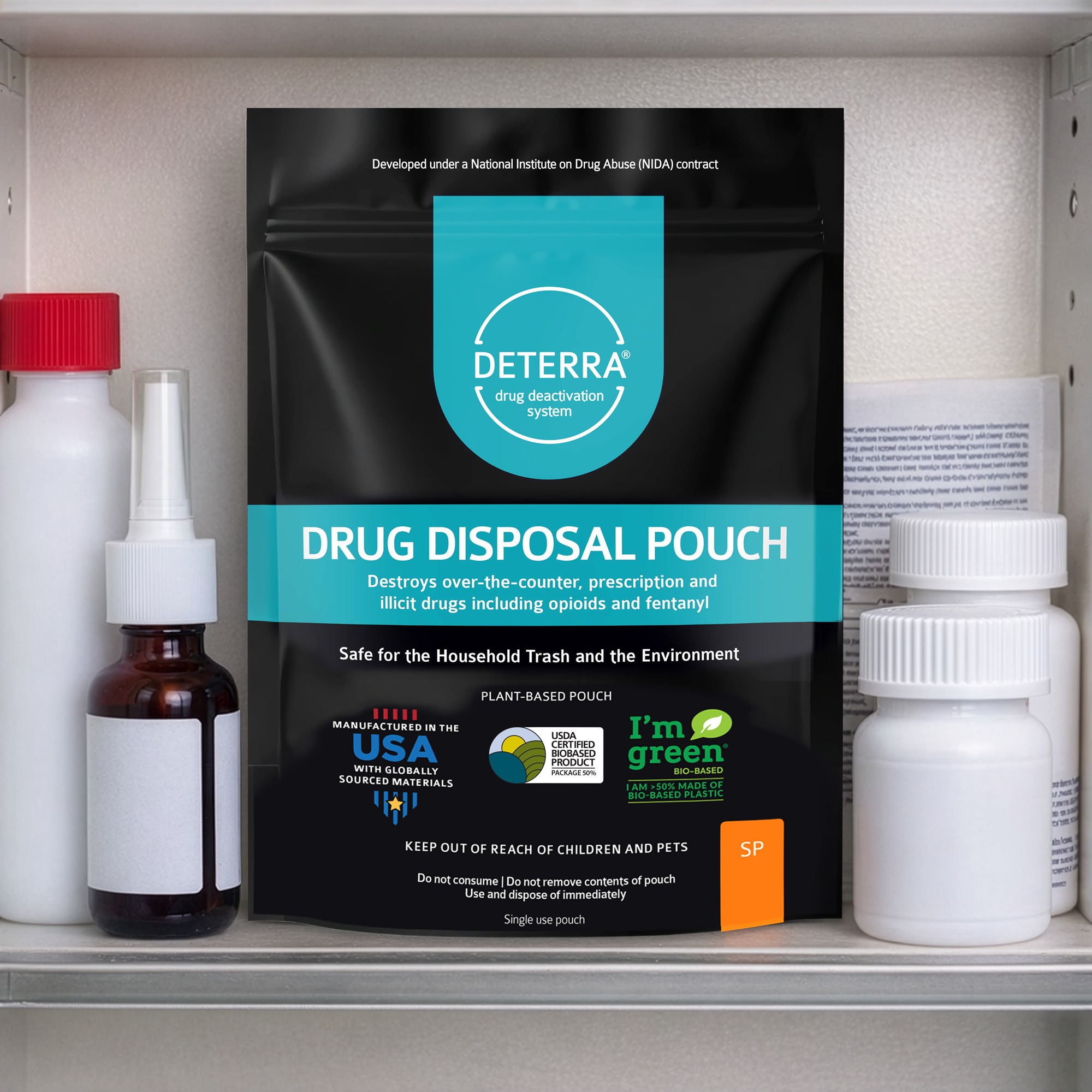
To truly mitigate risk and streamline operations, facilities are shifting toward point-of-use drug deactivation. The Deterra® System provides an immediate, permanent solution to neutralize unused medications right where they are dispensed or discontinued.
Utilizing an organic, proprietary activated carbon, Deterra completely deactivates pills, patches, liquids, and films. Once water is added to the pouch, the carbon binds to the active pharmaceutical ingredients, deactivating them and rendering them permanently unavailable for misuse.
By neutralizing the medication immediately at the bedside or medication cart, staff completely eliminate the need to stockpile dangerous drugs. This proactive approach permanently breaks the chain of custody, drastically reducing the risk of diversion and instantly satisfying the requirement to render medications non-retrievable.
Operational Simplicity and Audit Readiness
For nursing and hospice staff, time is the most valuable resource. Burdensome disposal protocols that require extensive logging, double-witnessing of transport, or complex mixing procedures lead to compliance fatigue and workflow bottlenecks.
Integrating immediate drug deactivation into standard operating procedures offers a measurable return on investment:
- Time Savings for Staff: Deactivation takes seconds. Staff can dispose of medications securely without leaving the patient area or navigating cumbersome kiosk procedures.
- Lower Operational Burden: Eliminating the need for specialized medical waste haulers for certain non-hazardous pharmaceuticals reduces overhead costs.
- Improved Audit Readiness: Immediate deactivation simplifies tracking. When medications are neutralized on the spot and logged appropriately, facilities maintain clean, straightforward records that hold up to DEA and state pharmacy board inspections.
Safer for the Environment and the Community
Healthcare facilities bear a responsibility not only to their patients but to the communities they serve. When unused medications are flushed or sent to standard landfills without being deactivated, the active chemical compounds can leach into the soil and groundwater.
By utilizing organic, proprietary activated carbon, Deterra ensures that proper drug disposal is also an environmentally sound practice. The deactivated pouch can be safely discarded in standard clinical or household trash, preventing harmful pharmaceuticals from contaminating local ecosystems. This alignment with EPA guidelines demonstrates a facility’s commitment to holistic safety, protecting both vulnerable individuals and the environment.
Additionally, for hospice care extending into the home, providing families with tools for at-home drug deactivation and disposal empowers them to safely manage leftover medications after a loved one passes, preventing these drugs from falling into the wrong hands.
Gone for good. For the good of all.
Protecting your facility, your staff, and your community requires a proactive approach to medication management. Relying on outdated disposal methods exposes long-term care and hospice organizations to unnecessary regulatory scrutiny and diversion risks.
By implementing safe, compliant, and easy-to-use drug deactivation solutions, you can streamline your workflows, ensure audit readiness, and actively prevent substance misuse.
Ready to elevate your facility’s drug disposal compliance strategy? Explore how Deterra works or contact our team today to request a sample and see how point-of-care deactivation can transform your operations.