Healthcare facilities, pharmacies, and hospice providers face an increasingly complex challenge when it comes to managing high-potency controlled substances at the end of their lifecycle. Fentanyl patches, liquid opioids, and similar medications require far more than standard disposal processes. Without proper deactivation, they introduce a serious and often underestimated risk across compliance, safety, and environmental impact.
Despite this, many facilities still rely on outdated or incomplete disposal methods. These approaches often fail to permanently neutralize active pharmaceutical ingredients, leaving drugs accessible long after they should have been destroyed. The result is a growing exposure to diversion incidents, failed audits, and broader public health risks.
The Unique Challenge of Fentanyl Disposal
Fentanyl presents a uniquely high-risk scenario. As one of the most potent opioids in clinical use—up to 100 times stronger than morphine—even a used patch can retain enough active medication to cause significant harm or fatal overdose if accessed improperly.
This creates a critical gap in traditional disposal workflows. Methods such as placing patches in sharps containers or pharmaceutical waste bins may remove the item from circulation, but they do not deactivate the drug itself. The active ingredient remains chemically intact and potentially retrievable.
In practical terms, this means every moment a fentanyl patch sits without being deactivated represents a liability. It is not simply waste—it is an active risk that must be addressed immediately and effectively.
The Hidden Risks of Improper Disposal
Improper disposal is not just a compliance issue—it creates a series of operational and safety vulnerabilities that compound over time. When controlled substances are not neutralized at the point of disposal, facilities are left managing unnecessary risk across multiple fronts.
The most common challenges include:
- Diversion risk, as medications remain accessible during storage or transport
- Workflow inefficiencies, where staff must leave care environments to complete disposal tasks
- Regulatory exposure, particularly during audits where non-retrievable standards are not clearly met
- Environmental impact, as pharmaceuticals enter water systems through flushing or improper waste streams
Individually, these issues are manageable. Together, they create a systemic weakness in medication disposal protocols.
Why Eco-Friendly Drug Disposal Matters
Beyond compliance and internal operations, healthcare organizations also carry a broader responsibility to the communities they serve. Improper disposal contributes to pharmaceutical pollution, with measurable traces of medications now detected in rivers, lakes, and even municipal water supplies.
This has raised increasing concern around long-term ecological and public health effects. As a result, disposal methods must now be evaluated not only on effectiveness, but also on environmental safety.
Facilities that adopt environmentally responsible solutions are better positioned to:
- Reduce their environmental footprint
- Align with evolving regulatory expectations
- Demonstrate a commitment to community health beyond the clinical setting
Eco-friendly disposal is no longer a “nice to have”—it is becoming a baseline expectation.
Point-of-Care Deactivation: A Proven Solution
To close the gap between compliance, safety, and operational efficiency, many facilities are shifting toward point-of-care drug deactivation. This approach enables medications to be neutralized immediately at the point of use, eliminating the need for extended handling or storage.
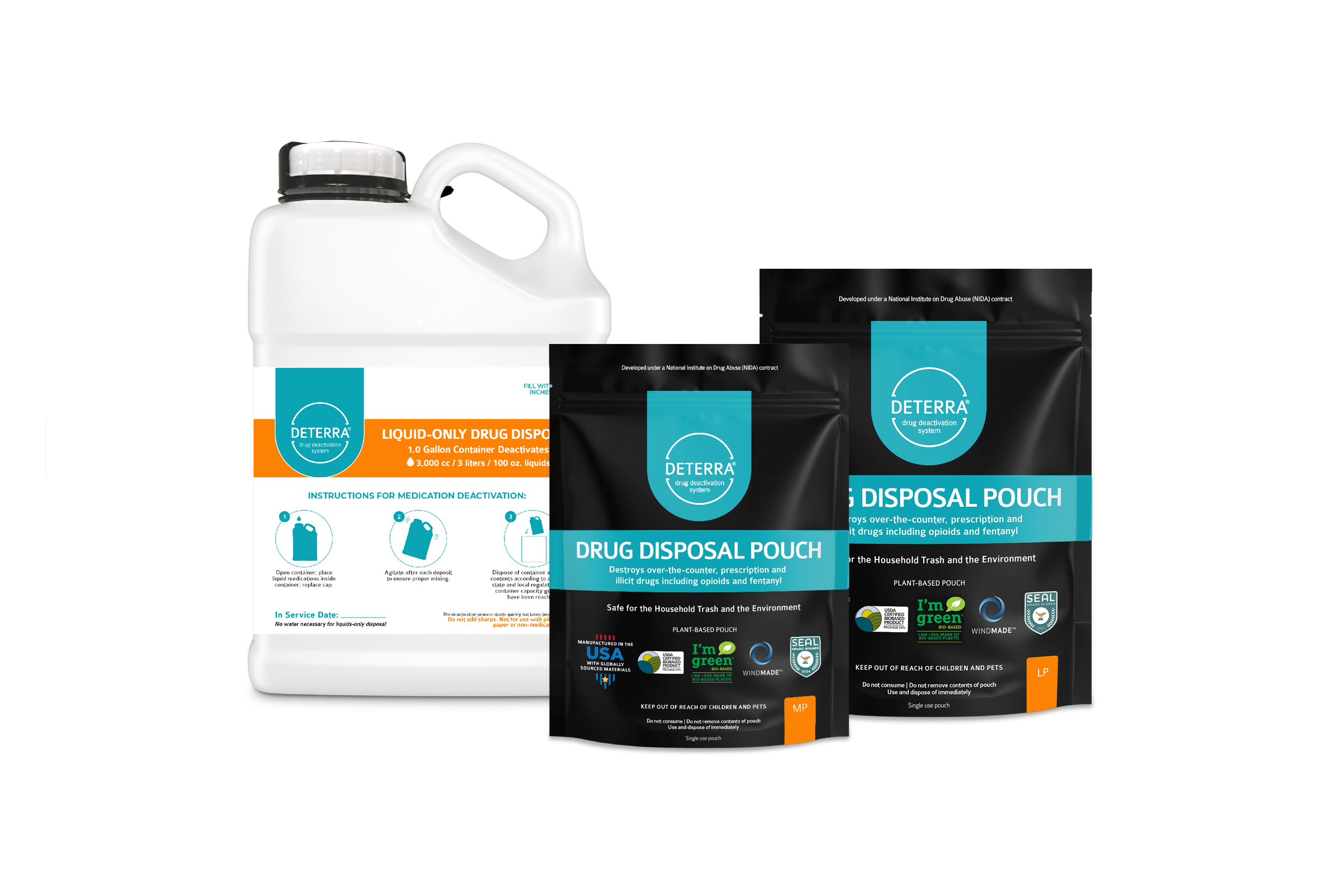
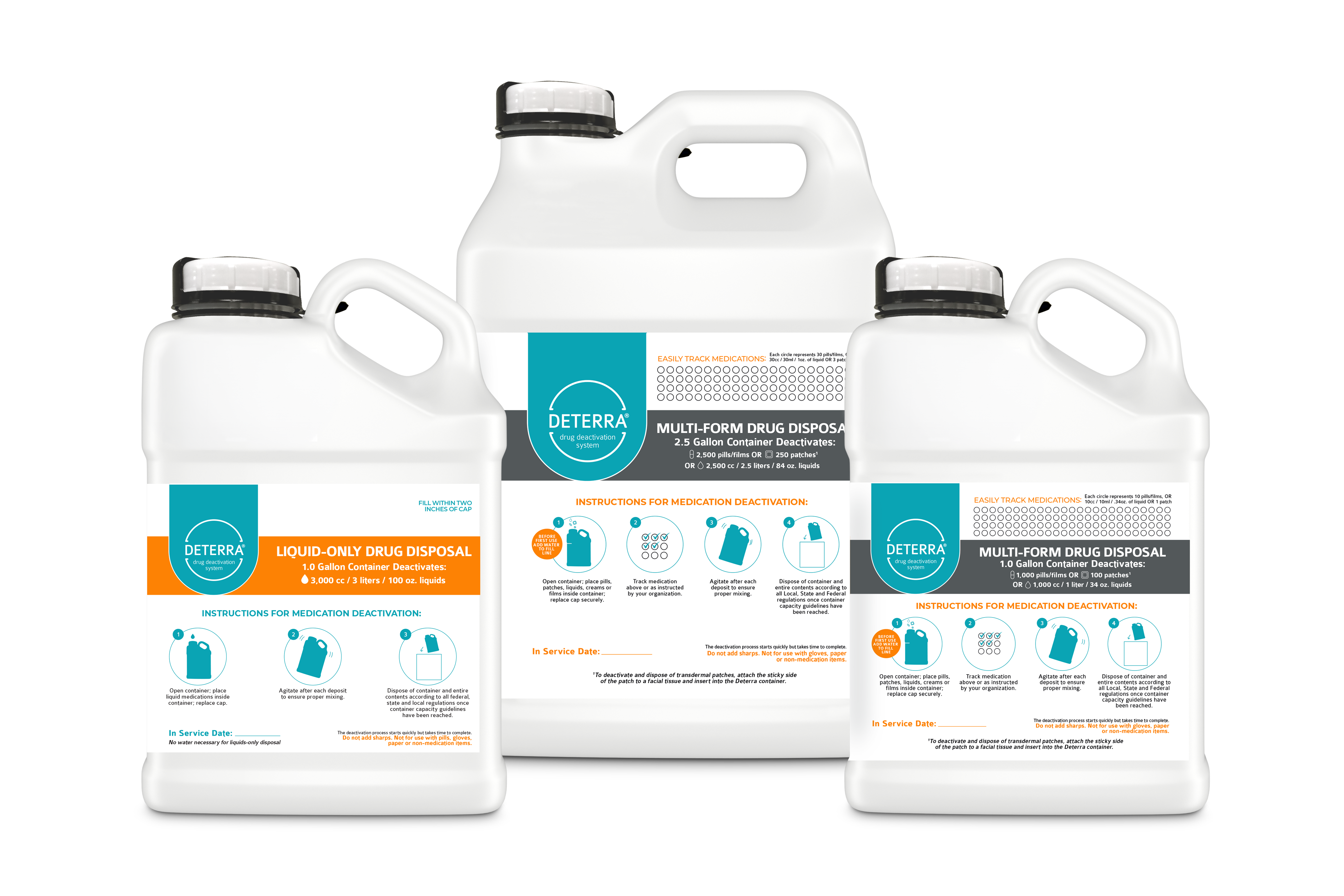
The Deterra Drug Deactivation System is built around this principle. Using an organic activated carbon formula, it permanently binds to active pharmaceutical ingredients at the molecular level. Once activated with water, the drug is rendered non-retrievable and permanently inactive, with studies demonstrating over 99% deactivation across tested substances.
What makes this approach particularly effective is its simplicity. Instead of adding complexity to existing workflows, it removes unnecessary steps and allows staff to act immediately, reducing both risk and effort.
Operational Benefits for Healthcare Facilities
Integrating point-of-care deactivation into standard procedures does more than improve compliance—it meaningfully improves day-to-day operations. By removing the need for centralized disposal, transport, and complex handling protocols, facilities can streamline workflows and reduce administrative burden.
The most immediate benefits include:
- Faster disposal processes that take seconds rather than minutes
- Reduced reliance on specialized waste handling and storage
- Improved audit readiness through clear, immediate documentation
- Lower operational overhead tied to disposal logistics
For high-volume environments such as hospitals, hospice care, and pain management clinics, these efficiencies compound quickly.
Extending Protection Beyond the Facility
The responsibility for safe disposal does not end at the facility level, particularly in hospice and at-home care scenarios. When patients pass away, leftover medications—including fentanyl patches—often remain in the home, creating a new point of risk.
Providing patients and families with at-home deactivation solutions ensures that this risk is addressed consistently. It allows medications to be safely neutralized without requiring additional handling, transport, or specialized knowledge.
This extension of protection reinforces a more comprehensive approach to preventing misuse and safeguarding communities.
It’s Not Destroyed If It’s Not Deactivated
A critical distinction in controlled substance disposal is the difference between removing a drug and truly neutralizing it. Methods that mask, encapsulate, or relocate medications may create the appearance of disposal, but they often leave active ingredients intact.
True compliance—and true safety—requires permanent deactivation at the molecular level. Anything less leaves room for recovery, misuse, and regulatory risk.
Choosing the Right Disposal Strategy
Fentanyl patches and other high-potency controlled substances demand a higher standard of disposal. Facilities can no longer rely on processes that simply move risk from one place to another. Instead, the focus must shift toward eliminating that risk entirely.
By adopting point-of-care drug deactivation, healthcare organizations can align compliance, operational efficiency, and environmental responsibility into a single, streamlined solution. The result is not just safer disposal, but a stronger, more resilient system overall.