In Knoxville, Tennessee, local faith-based organizations have become increasingly aware of the impact of substance misuse and opioid overdoses on congregants and their families. Wayne Smith, the founder and director of Samaritan Ministry, a faith-based AIDS service organization that operates through the Central Baptist Church of Bearden, sought a way to raise awareness about the dangers of opioid misuse and provide families with tangible ways to prevent substance use and overdose.
“Everybody knows somebody touched by this epidemic,” says Smith. “A few years ago, I began to hear this term ‘syndemic,’ which is used to describe epidemics that interact and negatively impact each other. I saw the relationship between HIV, hepatitis C and the opioid epidemic and I started thinking about the role our ministry can play in addressing the whole process.”
In researching prevention and recovery resources, Smith was introduced to the Deterra® Drug Deactivation and Disposal System by national nonprofit SAFE Project. Smith thought that educating the church community about the importance of proper drug disposal and providing them with Deterra Pouches for at-home drug deactivation could help address the crisis.
“My vision was to do some education and offer people real concrete ideas about what they can do to make a difference,” Smith says. “One of the huge problems with the opioid crisis is where people are getting the opioids, which is often the home medicine cabinet or from a friend, parent or grandparent’s home. We want to mitigate that risk for people.”
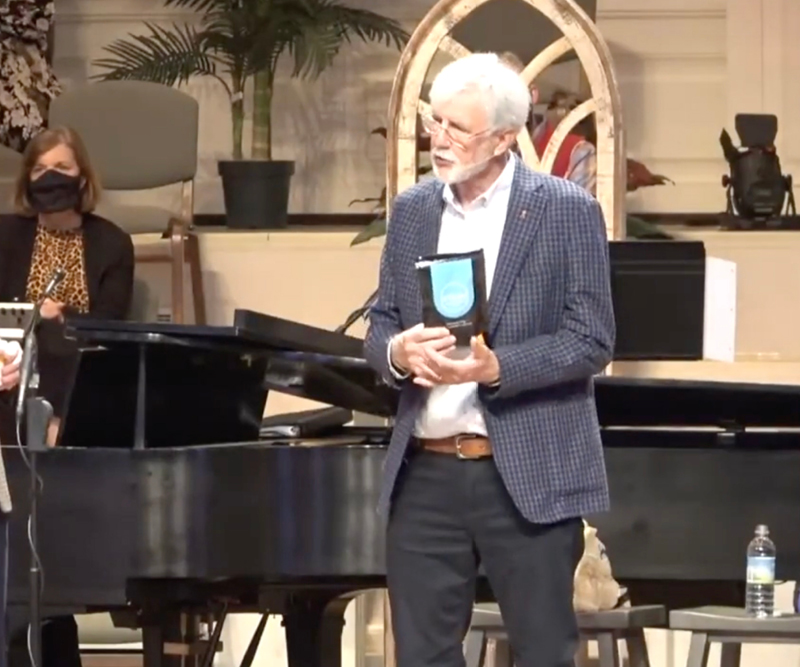
Smith procured 250 Deterra Pouches through SAFE Project’s Gone for Good® at-home medication disposal campaign and worked with Central Bearden’s Senior Pastor Dr. Wade Bibb to engage the community around at-home drug deactivation.
“We reached out to Metro Drug Coalition to get ideas and we put together a plan,” says Smith. “Pastor Bibb graciously agreed to give up part of his Sunday morning sermon to help us get the word out. We did an onstage demonstration of the Deterra Pouch to show how the drug deactivation process works. People couldn’t wait to get their hands on the pouches and take them home.”
The church invited the executive director of Metro Drug Coalition, Karen Pershing, and Dr. Stephen Lloyd, a medical doctor and noted speaker who has been in recovery for opioid use disorder since 2004, to share their stories and insights about prevention, recovery and support resources during Sunday services.
“We encouraged everyone to grab one or two Deterra Pouches on their way out of church, and we made them available in the Welcome Center because people kept asking about them and wanting to pick some up. We gave away nearly 250 pouches within three weeks,” says Smith.
After the success of the church’s first Deterra Pouch giveaway, Smith says he plans to do a similar educational series this April that will include making pouches available to anyone who needs one. Smith is also spreading the word to other churches in the area.
“People need to know that the faith community cares about people who are facing drug misuse issues. We need to continue to connect the community, coalitions and churches to spread awareness and resources,” Smith says. “Many people have this struggle in their family, and everybody has good intentions about getting rid of leftover medications; they’ll bag them up to take to the sheriff’s office or pharmacy, but then they sit on the counter for six months. Providing Deterra Pouches puts something in their hands that they can use immediately at home.”
Visit DeterraSystem.com/government to explore how other organizations are using Deterra or reach out to (612) 568-1128 or Sales@DeterraSystem.com to discuss how to implement at-home drug disposal initiatives in your community.