Challenge
WEST VIRGINIA IS ONE OF THE STATES HARDEST HIT BY THE OPIOID EPIDEMIC
Since 2014, West Virginia has had one of the highest drug overdose fatality rates in the country. Efforts to address prescribing rates and the socioeconomic factors fueling the crisis resulted in a slight decrease in overdose deaths in recent years, but the rise of fentanyl coupled with the stressors of the COVID-19 pandemic reversed this positive trend. In 2020, there were a record-setting 81 overdose deaths for every 100,000
people, a nearly 53% increase from 2019.
“We’ve been addressing the addiction issue from the prescription side and promoting take-back programs, but we have a constantly evolving problem and things are getting out of control with fentanyl,” says Greg Puckett, Executive Director of local nonprofit Community Connections, Inc. and County Commissioner for Mercer County, W. Va. “There is a need for prevention resources and public education about the importance of proper drug disposal to stop drug misuse before it starts.”
”To understand how opioid settlement funds will be allocated, the first step is to reach out to your state attorney general and your state office of drug policy.”
- Greg Puckett, Mercer County Commissioner and Executive Director of Community Connections, Inc.
SOLUTION
A COORDINATED EFFORT TO INCREASE ACCESS TO EVIDENCE-BASED, AT-HOME PREVENTION TOOLS.
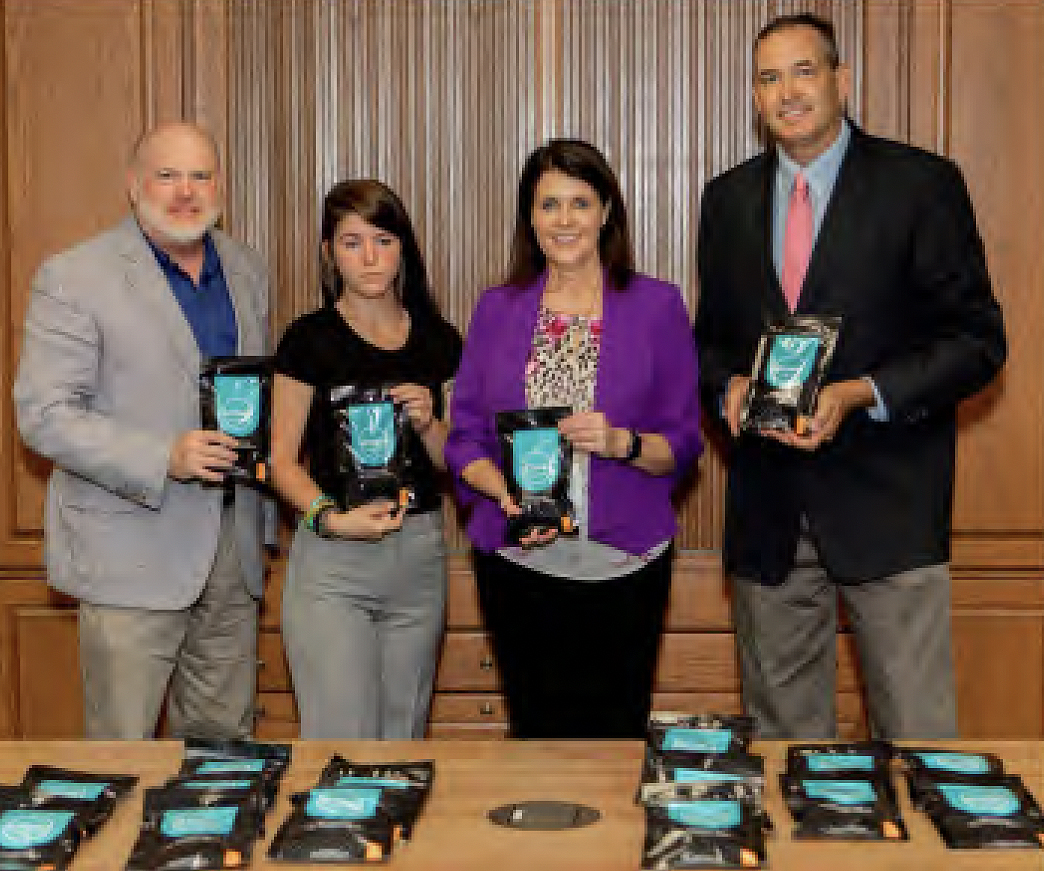
Community Connections and several partner organizations worked with Community Anti-Drug Coalitions of America (CADCA) to launch West Virginia’s first Medication Disposal Campaign to educate citizens about prevention and provide the Deterra® Drug Deactivation and Disposal System for simple, at-home disposal of unused medications.
“We live in a cultural area where we don’t want to dispose of our drugs – rural residents have more of an incentive to stockpile medications and disposal is not seen as an easy option. Plus, Appalachia is a sharing culture; we want to share with our friends and neighbors,” says Puckett. “That’s why we use the Deterra Pouches as a catalyst for this discussion. We make it part of caring about your neighbor to get rid of these drugs.”
Puckett says they chose Deterra for the disposal campaign because it’s the only product CADCA has ever endorsed and the pouches provide a simple, effective means of disposal in the privacy of one’s own home. The pouches are purchased through grant funding, including State Opioid Response (SOR) funds and Substance Abuse Prevention and Treatment Block grants (SABG). Through a network of prevention partners, hundreds of thousands of pouches have been distributed statewide via law enforcement, coalitions, senior centers, Meals on Wheels programs and veterans’ groups. “Coalitions are key to engaging the community around the issue of medication safety. Deterra Pouches provide a tangible, useful tool that we can hand out and use to tell a story,” says Puckett.
RESULT
OVER 200,000 DRUG DEACTIVATION AND DISPOSAL POUCHES DISTRIBUTED STATEWIDE.
Since 2019, more than 200,000 Deterra Pouches have been distributed throughout West Virginia, including over 25,000 in Mercer County.
Puckett says coalitions and local governments can continue to increase access to evidence-based prevention resources like Deterra by advocating for funding opportunities like grants and opioid settlement dollars.
“As a government official, you can contact your state attorney general to understand how settlement funds will be dispersed. Coalitions and community-based mental health organizations will need to go to the commissions to advocate for funding,” says Puckett. “My goal is to get people to have confidence in using Deterra. We’ve educated our commissions and local elected officials about substance use prevention, but we also see a heavy turnover in elections, so it’s a constant reeducation.”
Visit DeterraSystem.com/government to explore how other organizations are using Deterra or reach out to (612) 568-1128 or Sales@DeterraSystem.com to discuss how to implement at-home drug disposal initiatives in your community.